


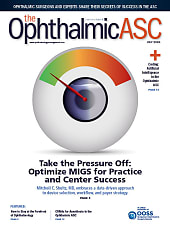


Top Institutions in Ophthalmology and Artificial Intelligence
Leading institutions combine clinical ophthalmology expertise with AI research, developing and validating AI algorithms for retinal image analysis, integrating multi-disciplinary approaches including neurology, endocrinology, and data science to enhance early detection of diseases via ocular biomarkers.
-
#1

Massachusetts Institute of Technology (MIT) - Computer Science and Artificial Intelligence Laboratory (CSAIL)
Cambridge, MA
MIT CSAIL leads in AI algorithm development and has strong collaborations with ophthalmology departments to translate AI research into clinical retinal imaging applications.
-
#2
Johns Hopkins University - Wilmer Eye Institute
Baltimore, MD
Wilmer Eye Institute is a leader in clinical ophthalmology and integrates AI tools for early detection of diabetic retinopathy and other retinal diseases.
-
#3
Stanford University - Byers Eye Institute
Stanford, CA
Stanford combines AI research with ophthalmology clinical expertise, focusing on AI-driven diagnostics for retinal diseases and systemic health monitoring through ocular imaging.
-
#4
University of California, San Francisco (UCSF) - Department of Ophthalmology
San Francisco, CA
UCSF is recognized for translational research applying AI to retinal imaging to detect systemic diseases and improve ophthalmic care.
-
#5
Moorfields Eye Hospital and University College London (UCL) Institute of Ophthalmology
London, N/A
Moorfields and UCL are global leaders in ophthalmic research and have developed AI systems for retinal disease detection with extensive clinical validation.