


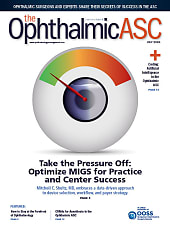


Clinical Scorecard: AI in Ophthalmology: Windows to the Body
At a Glance
| Category | Detail |
|---|---|
| Condition | Systemic and ophthalmic diseases detectable via retinal imaging |
| Key Mechanisms | AI analysis of retinal images for early disease detection |
| Target Population | Patients requiring retinal screening for systemic health issues |
| Care Setting | Ophthalmology practices, primary care offices, pharmacies, and retail health clinics |
Key Highlights
- AI enhances early detection of diseases like diabetes, cancer, and cardiovascular issues through retinal imaging.
- Topcon's Harmony platform integrates AI tools for analyzing retinal images and facilitating referrals.
- Eyenuk's EyeArt AI system is FDA-approved for autonomous detection of diabetic retinopathy.
- AI Optics' Sentinel camera allows non-dilated imaging in various healthcare settings.
- AI technologies aim to improve access to retinal screening and streamline care coordination.
Guideline-Based Recommendations
Diagnosis
- Utilize AI tools for analyzing retinal images to identify systemic diseases.
Management
- Implement prescreening initiatives using AI to enhance patient care.
Monitoring & Follow-up
- Track disease progression using AI-based change detection engines.
Risks
- Consider potential barriers to access for patients needing retinal screening.
Patient & Prescribing Data
Individuals at risk for systemic diseases detectable through retinal exams.
AI tools can facilitate timely referrals and improve management of detected conditions.
Clinical Best Practices
- Incorporate AI-driven retinal imaging in routine eye exams.
- Ensure secure data management and patient privacy through cloud-based platforms.
- Promote accessibility of retinal screening in diverse healthcare settings.
Related Resources & Content
- American Academy of Ophthalmology
- Topcon Healthcare Inc. News Release
- Eyenuk About Us
- Eyenuk EyeArt AI Screening System
- AI Optics News Release
This content is an AI-generated, fully rewritten summary based on a published scholarly article. It does not reproduce the original text and is not a substitute for the original publication. Readers are encouraged to consult the source for full context, data, and methodology.