


Have you ever finished a full clinic day only to realize that the patients were long gone, but the work was not?
At Real World Ophthalmology, we often talk about the gap between training and practice: the clinical skills we master vs the operational realities we’re left to figure out on our own. Few areas highlight that disconnect more clearly than clinic flow and EMR use. Most ophthalmologists enjoy diagnosing, examining, and treating patients. However, many find themselves staying late, clicking endlessly through online forms or finishing charts after hours simply because their workflows were never intentionally designed.
The truth is that small inefficiencies compound quickly. Extra task switching, incomplete encounters, redundant documentation, and poorly customized templates quietly erode time, revenue, and energy over the course of a day. Left unchecked, these issues don’t just slow clinic—they contribute directly to frustration and burnout.
The good news is that many of these challenges are fixable. With a thoughtful approach to clinic flow and purposeful use of EMR tools, physicians can reduce end-of-day backlog, improve accuracy, and create a more efficient workday. In true RWO fashion, the strategies below focus on practical, immediately actionable changes that help your EMR work for you—so work stays in clinic.
Take a Minute to Save Hours
The day-to-day grind of a practicing physician can be daunting, as small inefficiencies continue to stack up from the moment clinic doors open until the last patient leaves. One of the most common frustrations is finishing patient care only to spend valuable personal time completing charts—or worse, taking work home and turning a typical “9-to-5” into an all-day ordeal.
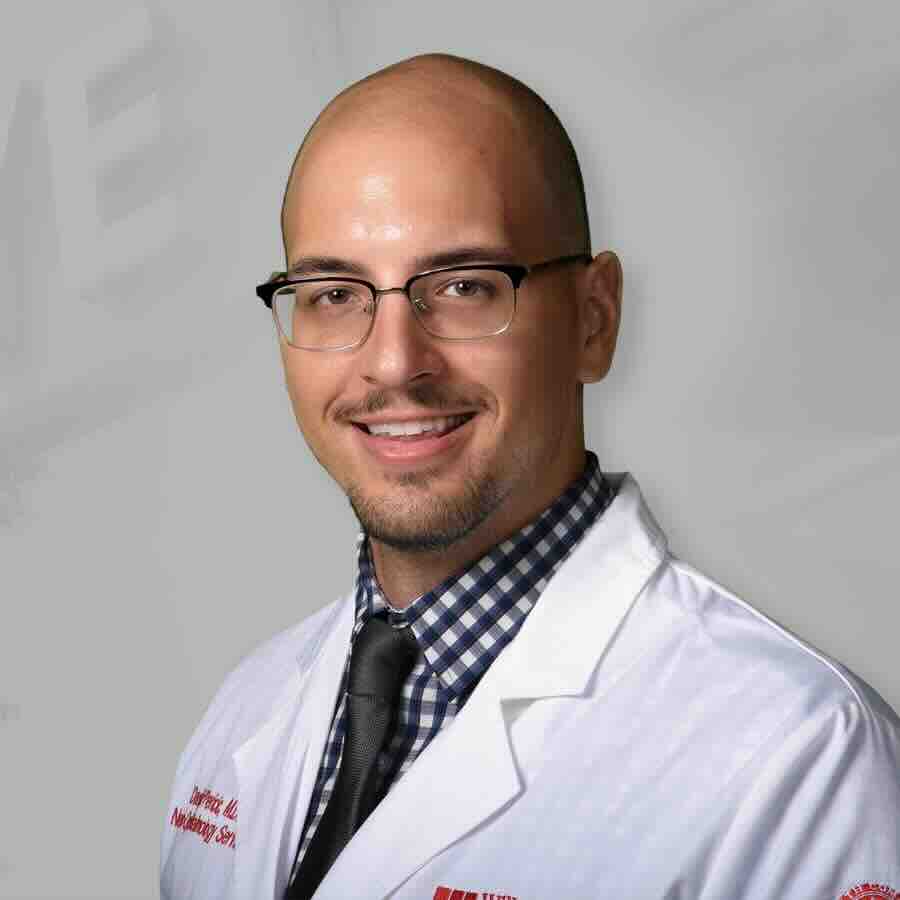
Like many physicians, my favorite part of the day is interacting with patients: listening to their concerns and examining them. Documentation, however necessary, can easily disrupt that flow. One simple adjustment that has made a meaningful difference in my efficiency is intentionally completing documentation while still in the exam room.
I often tell patients that I’m going to take a brief moment to focus on charting accurately. Almost all are understanding and happy to oblige. This approach minimizes task switching, which over the course of a day adds up to meaningful time savings. By completing exam findings, assessment and plan, coding, and medication orders before leaving the room, I ensure that the encounter is truly finished. When I walk out, I can fully turn my attention to the next patient without worrying about forgotten tasks or delayed coding—issues that can add up to thousands of dollars in lost revenue over time.
Maintain Your Own Voice
Having worked with multiple EMR systems throughout my career, I have found that one of the most valuable features across platforms is the use of templates or “dot phrases.” Templates allow physicians to document encounters efficiently while maintaining their own voice. Early on, it’s worth seeking out colleagues who already have strong templates and adapting them to your style. A few thoughtful clicks can generate a detailed, consistent assessment and plan for your most commonly heard complaints.
If you routinely prescribe medications that insurance companies love to deny, incorporating strong medical necessity language directly into your templates can save significant time and energy for both you and your staff. A helpful rule of thumb: if you find yourself editing a template more than once or twice in the exam room, update it permanently. If a fix takes less than 2 minutes, do it in real time. Those small optimizations pay dividends every single day.
The same principle applies to team efficiency. If a technician or staff member makes a small error, taking a moment to correct and teach prevents repeat work later. Addressing inefficiencies immediately—rather than deferring them—keeps them from becoming ingrained habits.
Precharting is another area worth reconsidering. Although it is often emphasized in training, in comprehensive ophthalmology it can be an inefficient use of time. In many cases, the most effective approach is to walk into the room and talk to the patient. Most patients can clearly describe their concerns, and many diagnoses are made at the slit lamp. Reviewing years-old exams before seeing the patient may add little value and can unnecessarily slow the visit. When chart review is needed, patients generally appreciate seeing their physician actively engaged with their records in real time.
Being Busy Is Not Bad
Finally, it’s worth remembering that being busy is not inherently a bad thing, especially early in your career. A full clinic means you are needed, learning, building confidence, and developing clinical and surgical judgment. That growth matters. However, without intentional systems in place, inefficiencies can quickly turn growth into exhaustion. Even on the busiest days, protecting short breaks to eat, hydrate, or briefly step away is essential. Over time, neglecting those basics contributes to fatigue and burnout.
We stay in medicine for the rewarding parts—the meaningful diagnoses, successful surgeries, and relationships with patients—but many physicians leave because administrative burdens begin to outweigh those rewards. For early-career ophthalmologists in particular, the habits you build now matter later. Investing time up front to optimize clinic flow and EMR use pays off in years to come. OM

At Real World Ophthalmology, our programming is built around exactly these gaps between training and practice—from clinic efficiency and workflow optimization to negotiation, leadership, and long-term career sustainability. Through live meetings, on-demand education, and peer-to-peer discussion, the goal is to help ophthalmologists take control of the practical realities of practicing medicine so their careers remain fulfilling and sustainable. Ophthalmologists interested in contributing their real-world experience are encouraged to learn more at www.RealWorldOphthalmology.com.