At the moment, the only robot in my ambulatory surgery center (ASC) is a Roomba. It dutifully cleans the floors after a busy day of surgery. A lonely existence for sure, but one day it might have some company. The promise of robotic cataract surgery has been floating through the halls of ophthalmology meetings for years, and it appears the promise is now on its way to reality.
This past fall, the world’s first robotics-assisted cataract surgery finally took place. Dr. David Giral and Dr. Uday Devgan performed the procedure using the Polaris robotic platform developed by Horizon Surgical Systems in conjunction with the Jules Stein Eye Institute.
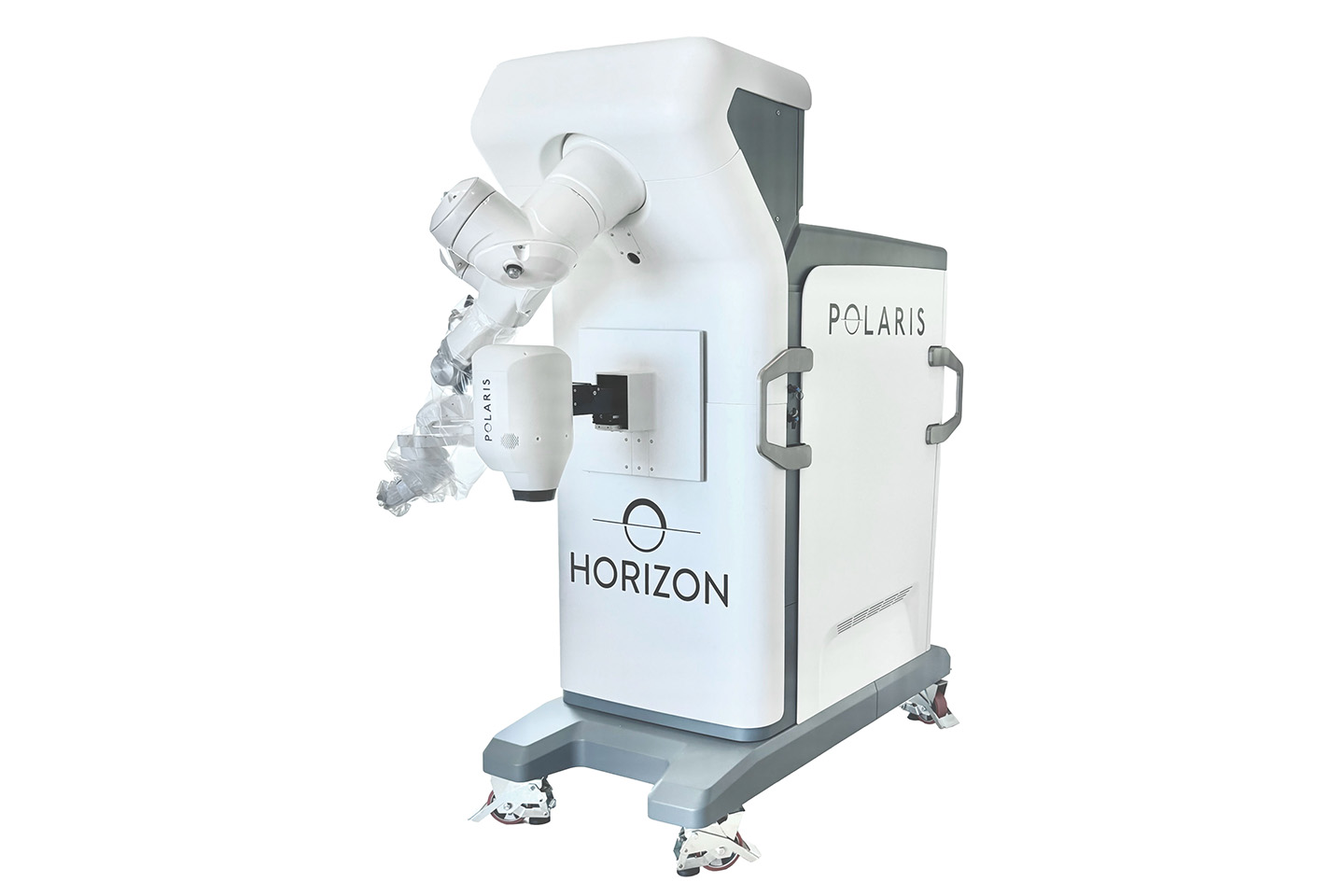
With Polaris, the surgeon controls the instruments inside the eye from a control cockpit in the room. The system employs a specialized input device that provides real-time augmentation, guidance overlays, and tactile paddles used by the surgeon as he views the surgical environment through a 3D monitor. The surgical robotic arms attached to a cart near the patient’s head allow the surgeon to use interchangeable instruments to make incisions and remove the cataract. The lens implant is then placed by the surgeon.
The Polaris unit is about the size of a large freezer, with the extending arm about the size of the operating microscope. It’s a long way from truly robotic cataract surgery, but it definitely is a start down that path.
So, what now? Well, for starters, even if you want a Polaris unit, it will be quite some time before it will be commercially available. A lot more time and money will need to be spent before ASCs will consider adding a robot to the list of equipment needed to get through the day. In the meantime, we will debate the pros and cons and the economics of this technology in the halls of convention centers and on endless Zoom calls. But the technology is here and will be developed; how and when we use it remains to be seen.
In the meantime, every night my Roomba will make its way down the hall on its lonely journey, wondering what all the fuss is about. OASC