Our practice performs more than 1,200 cataract procedures a year, and most patients who come in for surgery have some form of dry eye. When dry eye is part of the picture, those patients may not appreciate the benefits of cataract or refractive surgery until the ocular surface is addressed.
For years, that care was handled within the surgical clinic. On a day that involved 20 to 40 surgical evaluations, 10% to 30% of that chair time went to answering dry eye questions—time that could have been spent with other patients. Those conversations are necessary, but dry eye has multiple factors and takes a workup that a surgical clinic day cannot easily absorb.
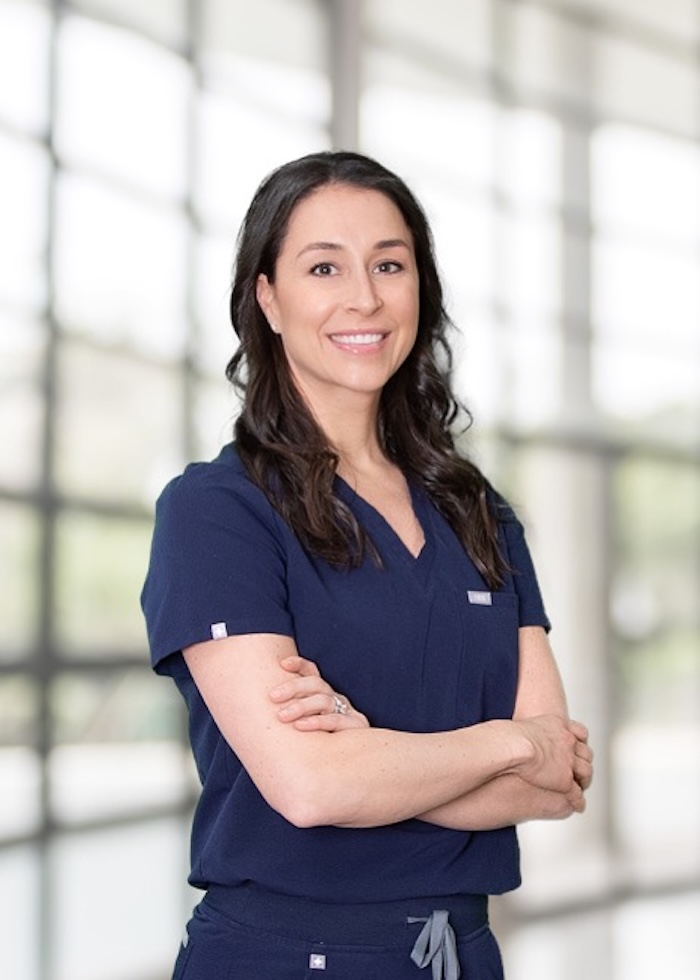
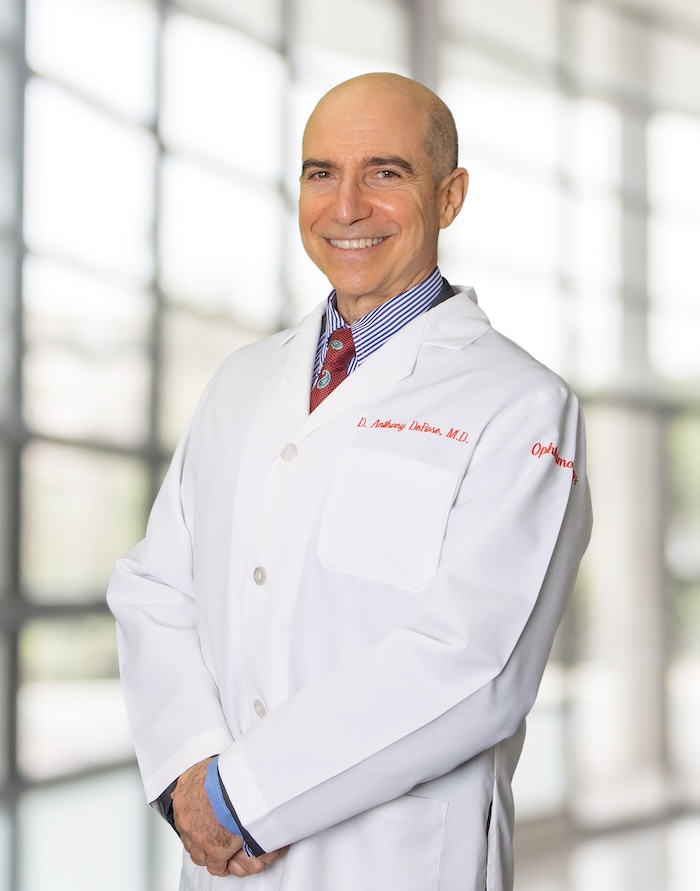
More than a decade ago, our office evolved to handle it differently. The model grew out of our partnership—a cataract and cornea surgeon combining with an optometrist—specializing in dry eye and the ocular surface. We already had a large population of refractive, cataract, glaucoma, and retina patients with ocular surface disease (OSD), so rather than go looking for dry eye patients, we set out to treat the need we already had. It began as half a clinic day a week, with the optometrist dedicating that time to dry eye and OSD. Today, it is a dedicated dry eye center that benefits all facets: The surgical cataract practice is more efficient; the dry eye practice is expanding to treat not only our own multidisciplinary patients, but also outside OD and MD referrals; and most importantly, the patients benefit from individualized attention to their ocular surface pathophysiology.
Inside the Dry Eye Center
The center expanded in May 2025 as a separate suite with four exam lanes, a dedicated imaging lane, and its own staffed check-in window. Before that, we ran the same volume out of two lanes shared with the rest of the practice. The center now averages 35 dry eye and OSD patients a day, four days a week, with its own dedicated staff handling everything from front-desk operations and patient workups to technician and scribe duties. Returning patients are seen by staff who already know their history, and the day moves more efficiently for it.

We pride ourselves on keeping up with the latest advancements, whether that is diagnostics, pharmacological drops, or in-office technologies. Looking back, what really helped shift the practice was our energy-based devices. We brought in thermal pulsation in 2014, then intense pulsed light with OptiLIGHT after its FDA approval in 2021, then radiofrequency, and now dynamic muscle stimulation. The suite is equipped for diagnostic imaging alongside them.
Being successful with any of it comes down to treating each patient as an individual and not going in with a cookie-cutter treatment plan. Dry eye patients are complex, and some patients have already tried other therapies without success. There is no cure, so we set realistic expectations from the first visit.
The Handoff
When dry eye turns up at a surgical evaluation, we tell the patient they are not an ideal candidate for cataract or refractive surgery right now, and by addressing their dry eye, they will have a better chance to reap the benefits of the surgical result. We inform them that this may delay that surgery. The workup and the diagnosis happen at the dry eye center. Many patients are happy with that news, because not everyone wants to jump into surgery.
Depending on the severity of their dry eye, a patient may partner with the dry eye center for 4 to 12 weeks. Once the ocular surface is stable, they go back to the surgeon for a re-evaluation. Twenty percent of patients may end up delaying cataract surgery for more than a year. That does not mean they will never need surgery; it means the cataract was not playing as large a role in their visual complaints as they assumed, and they enjoy the improved vision results from tending to their dry eyes. Eighty percent of patients who desired an advanced technology lens implant can now have that implant since the ocular surface was stabilized. Patients are informed that it is important to stay on top of their systemic and ocular hydration to maintain their best visual health.
The dry eye patients who do go to surgery stay with us afterward, in addition to their referring doctor. We continue to manage the ocular surface after cataract and refractive surgery, because the best implant in the world does not protect a patient from what dry eye can do to their vision down the road.
Half of the center's dry eye patients now come from outside the practice: ophthalmology and optometry colleagues who don't have a dedicated dry eye service, and other specialties including rheumatology, internal medicine, and dermatology.
Building the referral base took explaining what we do—and that managing dry eye and ocular surface disease is all we do. We don't do refractions or fit contact lenses. A referred patient goes back to the doctor who sent them for everything beyond their dry eye treatment. We put on a symposium for referring colleagues once a year to keep them informed on the latest diagnostics and treatments we offer. And to our referring doctors, it goes both ways, as we often refer patients out for management we do not provide.
More Time, More Volume
The surgical side of the practice has benefitted from the time savings. Every patient who goes through the dry eye center comes back having had the workup and education done there, and the surgeon is no longer the one covering that ground. We can now see about 25% more patients and operate on 20% more cases than we would without a dedicated dry eye center.
The workflow is also more fluid because it is not slowing down for dry eye education and questions in the middle of a surgical clinic. The surgical team stays tuned to cataracts, corneal disease, glaucoma, and refractive issues, and the dry eye team is focused on the ocular surface concerns. Everyone moves through their days faster, and patients benefit from a more focused care plan.
Delayed surgery sounds like lost volume on first reading; it is not. Those patients still need surgery eventually, and in the meantime, they stay with us. A stable dry eye patient is seen twice a year. This also builds the referral base. A patient who comes in expecting surgery and finds out they can put it off understands that we are making decisions based on what is best for their care—rather than trying to turn a profit—and they tell their friends. Satisfied patients refer other patients.
Part of why our model works is that the dry eye center offers something patients cannot get elsewhere. Few doctors will give up other parts of their practice to treat only dry eye. Adding energy-based devices also opened up revenue streams the practice did not have before. We work in a medically oriented ophthalmology practice, so it was unusual at first to talk with patients about treatments not covered by insurance and paid out of pocket. But it is the same conversation we already have about advanced refractive intraocular lenses, which insurance also does not cover. If it is worth it to the patient, they do it.
What It Takes
Maintaining success of a dry eye center takes commitment. Everyone in the practice has to believe there is a need to address dry eye, because it is a significant disease that affects patients' quality of life. The other doctors who do not specialize in dry eye or refractive care have to be aligned, knowing that addressing the ocular surface improves results and efficiency within their own patient base. Once everybody is on the same page, the support follows, the patients get the care they need, and the practice continues to grow.
It also takes the desire to stay on top of it and the room to build the dry eye service your own way. There is no blueprint, and a lot of trial and error goes into figuring out what fits your patients and your practice.
For ophthalmologists, if dry eye is occupying a significant part of your day and slowing your volume, think of what’s possible if you could free up that time. A few dry eye patients can take an hour or more—time that could be spent managing five or six cataract cases. Bringing in someone dedicated to dry eye care gives you back those hours, though it can take a couple of years to see a true return on that investment. If you are not in a position to staff and equip your own dry eye center, partner with a practice in your area that can and send patients there. They will come back to you. Either way, patients get the care they need while you make better use of your time and resources.